

Plants for a dark corner: the Scindapsus will save any shady spot
Do you also have a corner in your home where no plant can survive for long? Far from the window, in the hallway, or in that atmospheric but dimly lit corner of the living room — most houseplants give up within a few weeks. Fortunately, there is one plant that thrives in places where other plants wither: the Scindapsus.
Why the Scindapsus is perfect for a dark corner
The Scindapsus (also known as devil's ivy or pothos) naturally grows in the shade of tropical forests, under a dense canopy. As a result, it is one of the most tolerant houseplants when it comes to light:
- Thrives in low light: even in places without direct sunlight
- Low maintenance: forgives you if you occasionally skip a watering
- Versatile: can hang, climb, or simply stand quietly in a pot
- Atmospheric: the heart-shaped leaves immediately give every corner a green, relaxed look
Care tips for a Scindapsus in a dark corner
- Light: even a shade plant does need daylight; no plant can survive in total darkness (e.g., a windowless room). Ensure indirect daylight, even if it's little.
- Water: in a dark corner, the Scindapsus grows slower and needs less water. Let the top few inches of soil dry before watering again.
-
Brown or yellow leaves: a single yellow leaf at the bottom is normal and part of the natural leaf turnover. If you suddenly see many yellow leaves at once, you are probably overwatering. Brown, dry leaf edges, on the other hand, indicate too little water or air that is too dry. Adjust your watering schedule and feel free to remove discolored leaves so the plant can put its energy into new leaves.
- Rotate: occasionally rotate the plant a quarter turn so that all leaves receive light evenly.
Scindapsus the perfect shade plant
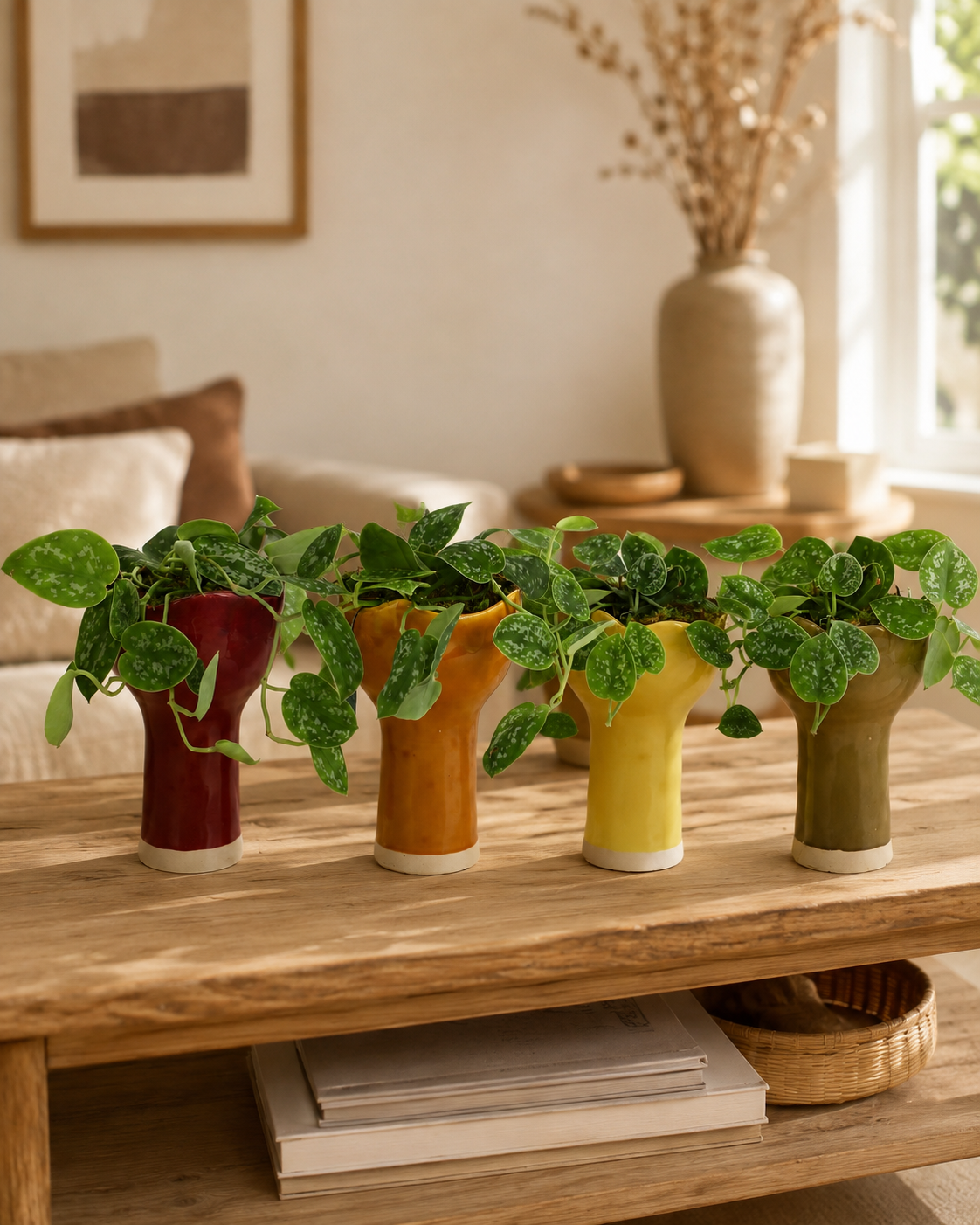
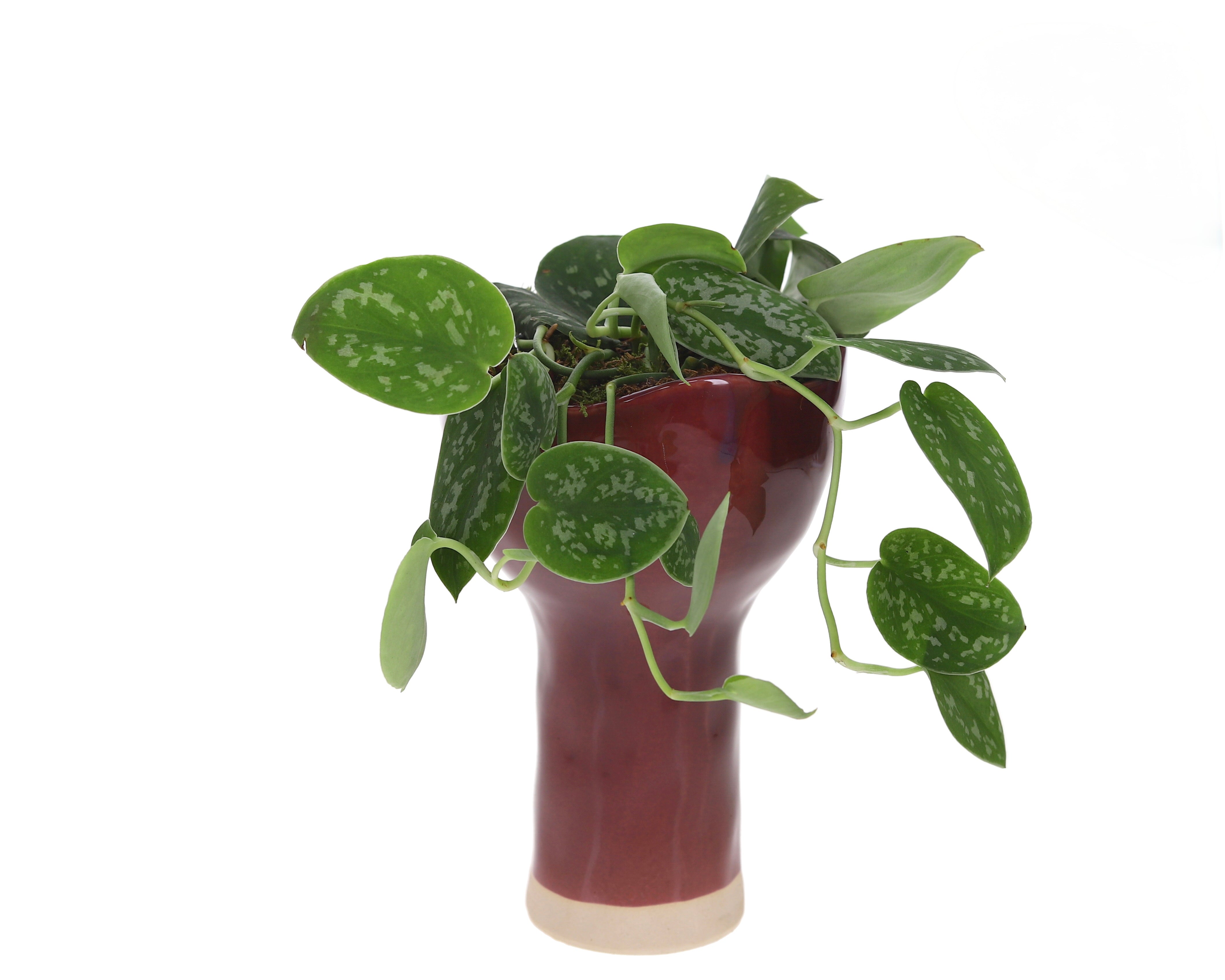
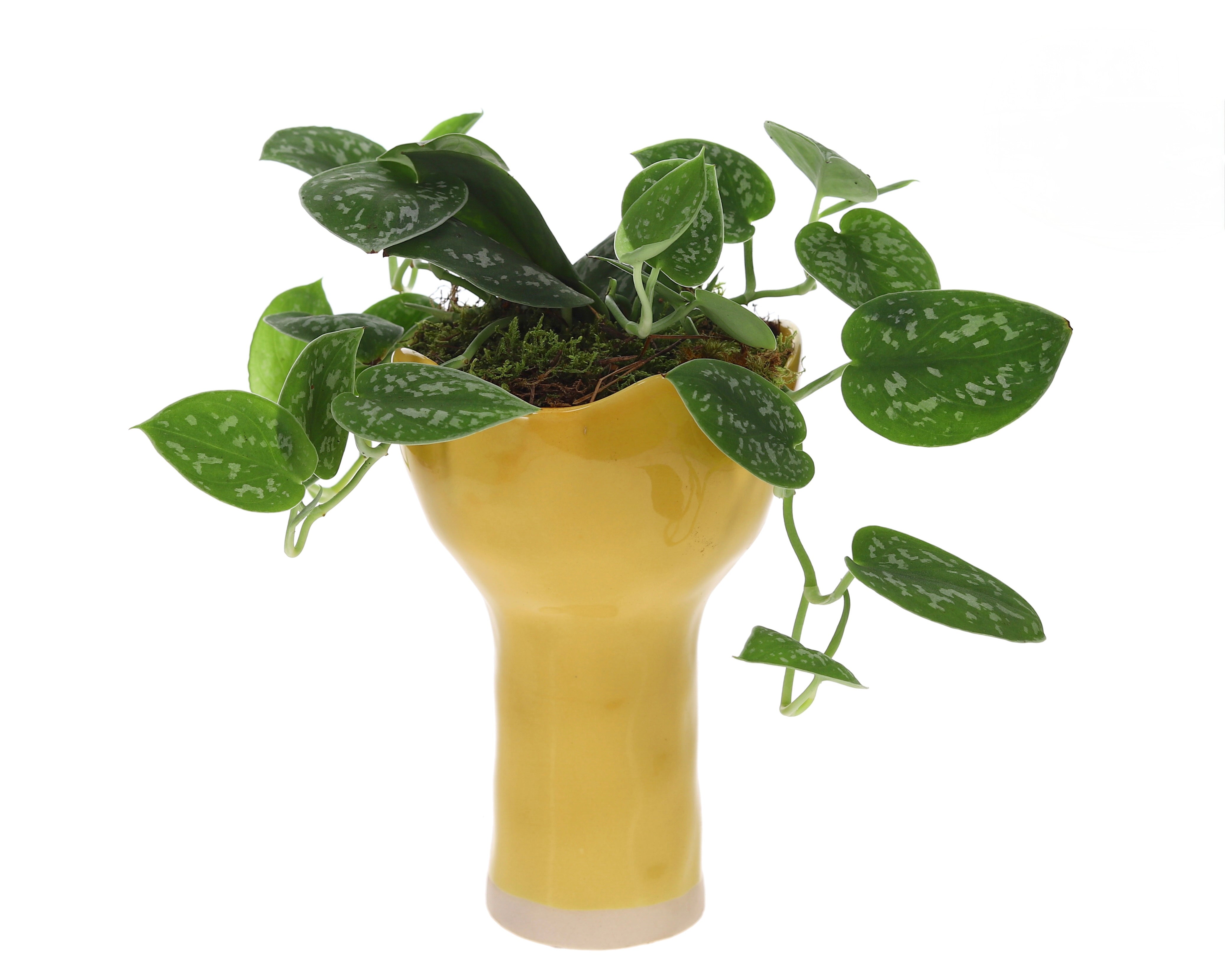
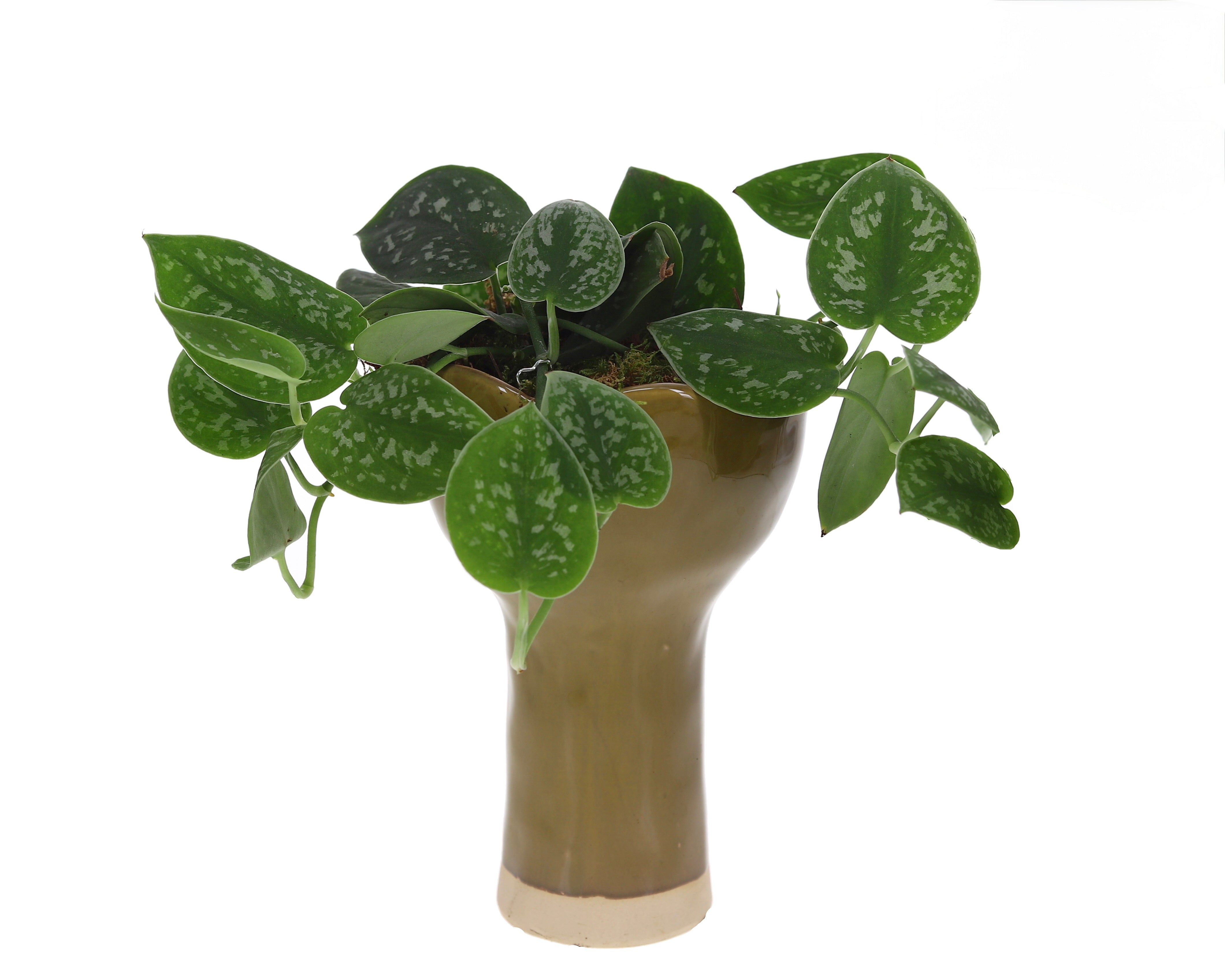
Whether you're looking for a small accent for a shelf or a larger eye-catcher for that empty corner in the living room, there's always a Scindapsus that fits your needs.




Frequently asked questions about scindapsus
Can a plant truly survive without daylight in a dark corner?
No, no houseplant can survive in total darkness. The Scindapsus does require little light, but a minimum of indirect daylight remains necessary. If your corner is in a room without a window, choose a different spot with some indirect daylight.
How often should I water a Scindapsus in a dark corner?
Less often than in a bright spot. Allow the top few inches of soil to dry before watering again; in a dark corner, this can be as infrequent as once every two to three weeks, depending on the season.
Which Scindapsus is best for low light: variegated or green leaves?
Choose the fully green variety. Variegated leaves need more light to maintain their color pattern, otherwise, they will (partially) revert to green.
Is the Scindapsus poisonous to pets?
Yes, the Scindapsus is mildly toxic if ingested by pets and children. Therefore, place the plant out of reach of curious cats, dogs, or small children.
Does a Scindapsus grow slower in a dark corner?
Yes, in low light, the plant grows noticeably slower than in a bright spot. This is normal and not a sign that something is wrong; simply give the plant time.
Can I also hang the Scindapsus instead of placing it on a surface?
Certainly. The Scindapsus thrives as a hanging plant, with its tendrils growing gracefully downwards. If you let it climb (for example, against a moss pole), the leaves will actually grow larger.